
From Chaos to Control: 3 Strategies I Share With Every Overwhelmed Client
One thing I see time and time again with clients—whether they run their own business or manage a busy life—is that they’re stuck in reactive mode. They spend their days jumping from one urgent issue to the next, constantly firefighting, and rarely feeling in control.
If that sounds familiar, you’re not alone—and there is a better way.
Here are three core strategies I use with clients to help shift from reacting to leading—both in life and in business:
1. Start With the End in Mind
One of the biggest reasons people feel lost or overwhelmed is because they haven’t defined what they’re working toward. Clarity brings power.
I encourage clients to step back and look at the bigger picture:
- Where do you want to be in 5 years?
- What does success look like in 12 months?
- What truly matters to you right now?
This isn’t about rigid planning—it’s about direction. As I often remind clients:
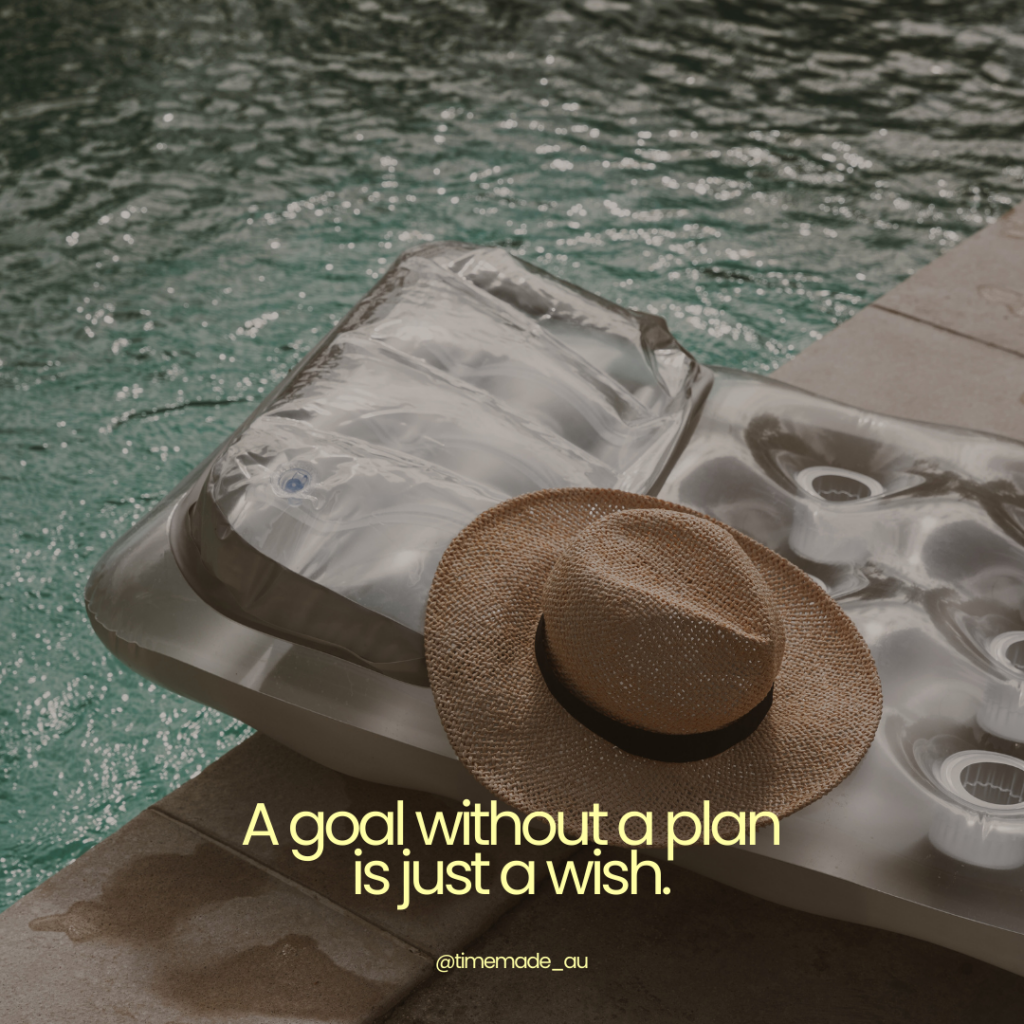
“A goal without a plan is just a wish.” Antoine de Saint-Exupéry
Even a rough outline of your vision will help you focus your energy, make better decisions, and move forward with confidence.
2. Learn the Art of Saying No
So many people struggle with boundaries. They say yes to everything—clients, coworkers, family—out of guilt, habit, or fear of disappointing others.
But here’s the truth:
Every time you say yes to something that doesn’t align with your goals, you’re saying no to something that does.
If a request doesn’t serve your business, your priorities, or your values, you don’t have to say yes. If you’re not ready to give a firm no, use this phrase I give all my clients:
“Can I get back to you on that?”
It gives you breathing space to assess the request on your terms. Saying no is not rude—it’s responsible.
3. Time Block Like a Pro
Want to stop feeling like your day runs you? Time blocking is a game-changer.
I work with clients to build weekly schedules that give structure without rigidity. Start by allocating blocks of time for core activities:
- Client work
- Admin and emails
- Strategic planning
- Personal or family time
This simple technique helps you stay focused, reduce task-switching, and ensure your time reflects your true priorities.
We all get 168 hours a week. Use them with intention.
You don’t have to live in chaos. With the right mindset, boundaries, and structure, you can move from reactive to proactive—and finally feel in control of your time, your energy, and your direction.
Need help making these strategies stick? That’s what I’m here for.